


.webp)
.png)

.png)
Key Rule
- Tenancy agreements in WA are governed by the Residential Tenancies Act 1987
- All agreements must be in writing and signed by both parties
- Fixed-term tenancies have a set end date; periodic tenancies renew automatically
- Tenants must give 21 days' notice to end a periodic tenancy; landlords must give 60 days
- The official WA form (Form 1AA) is available free from WA Consumer Protection
Discovering the perfect place to call home in Western Australia doesn't always require committing to homeownership. Renting a property can provide a convenient and budget-friendly alternative for those seeking a cosy abode without long-term ties.
But before you pen a tenancy agreement, you must grasp the ins and outs of renting in WA.
Updated May 2026.
Table of Contents

⭐ Rated 4.8/5 by 2,500+ Hosts
.webp)
⭐ Rated 4.8/5 by 2,500+ Hosts
🚀 Start & Scale Your Airbnb Business with Houst
Join Houst’s Airbnb Business Partnership Program to start, manage, and grow your short-term rental business. With expert marketing, automation tools, and dynamic pricing strategies, we help you maximise earnings and scale faster.
⭐ Rated 4.8/5 by 2,500+ Hosts

What exactly is a Residential Tenancy Agreement?
Well, think of it as a handshake between a landlord and a tenant: it's not just a casual agreement; it's a rock-solid, legally binding contract. This nifty piece of paper lays out all the details of the rental arrangement, from how much rent you'll pay each month to how long you'll be staying. Oh, and it's all governed by the laws of Western Australia.
In simpler terms, a residential tenancy agreement in Western Australia is a roadmap for landlords and tenants. Its ultimate mission is to make sure everyone's on the same page. This all-important document spells out the rules during your time as a tenant.
Key Components of a Tenancy Agreement
A residential tenancy agreement WA is the most important document when renting a property. It is a contract that binds both the landlord and the tenant. It is important to understand the key components of this document.
The tenancy agreement should include:
Property Description and Location
First things first, it's all about the where and what! The tenancy agreement starts with a detailed rundown of the property and where it's nestled. No mysteries here!
Rent and Bond Payment
Ah, the financial stuff! This part lays out the rent amount, the cash you'll part ways with each month, and the bond payment, a little insurance for the landlord in case of any mishaps. All the figures are right there, with no hidden costs.
Lease Duration and Termination Clauses
Next up, the nitty-gritty of the time frame! The lease duration is spelt out here, letting you know how long you get to call this place home. And just in case something doesn't quite work out, termination clauses outline how either party can end the agreement.
Custom Clauses to the Rescue
Beyond the essentials, you can customise your tenancy agreement with additional clauses. Got a furry friend you can't live without? There can be provisions for pets. Can't stand the smoke? You can have clauses about smoking.
Subletting and Beyond
Ever wondered if you can sublet your cosy pad to someone else? Well, the residential tenancy agreement WA can put that question to rest.
Complying with the Laws
The tenancy agreement must dance in sync with the laws of Western Australia. Nothing contradictory to the Residential Tenancies Act 1987 is allowed. It spells out the tenets and landlord rights WA.
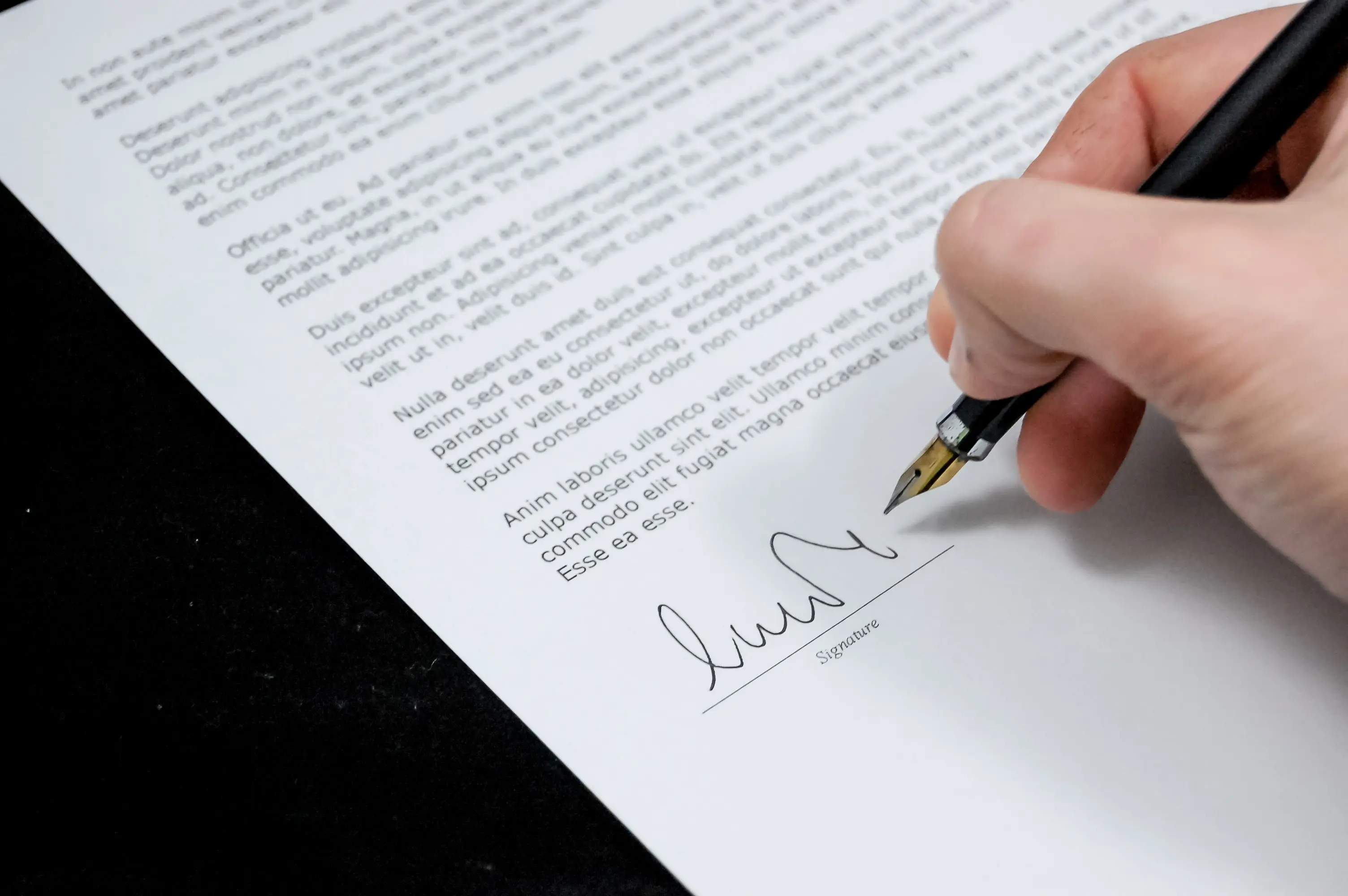
To make it all official, a tenancy agreement must be written down and graced with the signatures of both parties. The ink seals the deal, and holding onto a copy is a good idea. You never know when you might need it as evidence in case of any disputes.
Residential Tenancy Agreements in Western Australia
In Western Australia's rental landscape, tenants and landlords have various residential tenancy agreements. Fixed-term and periodic tenancies are the two main types of tenancies.
Fixed-Term Tenancies
Imagine signing on the dotted line and having a clear roadmap of your tenancy journey: a fixed-term tenancy does just that! With a predetermined duration, often six or twelve months, and a specific end date etched in the agreement, tenants and landlords can breathe easy, knowing exactly how long the rental arrangement will last.
Fixed-term tenancies are a boon for tenants seeking a sense of security and stability in their housing arrangement. Fixed-term leases are good for landlords because they guarantee income for a set time. Tenants on fixed-term leases must pay rent for the entire lease term if they move out early, so they provide stability but require commitment.
Periodic Tenancies
Now, picture a tenancy agreement without a set expiration date! These agreements automatically renew at the end of each rental period, providing tenants with greater flexibility in their stay.
For tenants uncertain about the duration of their stay or those who might need to relocate on short notice, periodic tenancies offer a much-needed sense of freedom. However, this flexibility can be a double-edged sword for landlords, making it trickier to predict the rental income's consistency and plan finances accordingly.
Both tenants and landlords can end a residential tenancy agreement WA but must give the other party the correct notice. Tenants usually need to give 21 days' notice, while landlords usually need 60 days' notice.
.webp)
Rights and Responsibilities of Tenants and Landlords
In the intricate dance of the tenancy agreement, tenants' and landlords' rights and responsibilities take centre stage. Clear and explicit, these elements form the foundation of a harmonious and successful rental journey. Let's take a closer look at what each party should expect:
Tenant Rights and Responsibilities
A Haven of Privacy: Tenants can enjoy their rented abode in peace. The agreement should specify that landlords must give reasonable notice before entering the property, ensuring tenant privacy is respected.
- Caretakers of Cleanliness: Tenants are responsible for maintaining a clean and tidy living space. They should take good care of the property, ensuring it remains in excellent condition throughout the tenancy.
- Harmonious Neighbours: Noise can make or break the living experience. Tenants are responsible for keeping noise levels in check, being mindful of other residents and their peace of mind.
- Reporting and Communication: Tenants should promptly report any maintenance issues or concerns to the landlord, ensuring the property's upkeep and addressing problems early on.
- Compliance with Rules: The agreement may outline specific rules and regulations related to pets, smoking, or other factors that could impact the rental property. Tenants must adhere to these agreed-upon guidelines.
Landlord Rights and Responsibilities
Essential Inspections: Landlords can inspect the property for maintenance or inspection purposes. However, they must provide tenants with reasonable notice before entering the premises.
Maintenance Duties: The landlord is responsible for ensuring the property remains in good repair and condition. Major repairs and necessary maintenance fall under their purview.
Timely Repairs: Landlords should promptly address any reported maintenance issues, ensuring the tenant's living experience remains comfortable and hassle-free.
Rental Collection: Collecting rent is the landlord's right, and tenants must fulfil their payment obligations according to the agreed-upon terms and schedule.
Fair Treatment: Landlords are obligated to treat all tenants fairly and with respect, abiding by anti-discrimination laws and ensuring equal treatment for everyone.
Mutual Understanding for a Successful Tenancy
By documenting these rights and responsibilities in the WA residential tenancy agreement, both parties gain a mutual understanding of what's expected. This clear delineation fosters a transparent and respectful relationship, setting the stage for a smooth and rewarding tenancy.
Download the Free Residential Tenancy Agreement in WA
Like local traffic rules, rental laws are like a puzzle that can change and vary depending on your location. Ensuring that the rental agreement you choose abides by these unique rules is crucial. A free official Residential Tenancy Agreement (Form 1AA) is available to download from WA Consumer Protection.

Frequently asked questions
What is a residential tenancy agreement in Western Australia?

What is the difference between a fixed-term and a periodic tenancy in WA?
How much notice does a tenant need to give to end a tenancy in WA?
What must a WA tenancy agreement include?
Where can I get a free residential tenancy agreement form for WA?


Reviewed by Andrei S., Head of Growth at Houst, for regulatory accuracy and commercial relevance.


